
Indoor vs Outdoor Fall Weddings: Which Setup Works Better for Missouri Weather?
Planning a fall wedding in western Missouri often means choosing between open-air scenery and indoor predictability. The right indoor vs outdoor wedding choice is not simply the best-looking option. It protects your priorities while accounting for guests, timing, budget, and changes. Weather matters, but it should not control the entire decision.
Couples gathering family from Adrian, Butler, Archie, Creighton, and nearby communities should consider arrival conditions. Rain can affect parking, décor, sound equipment, and accessible routes even if the ceremony stays dry. At
Downey Carriage House, couples can discuss indoor areas, covered patios, and open-air space. This guide provides a practical comparison and usable
wedding weather backup plan.
Start With the Experience You Want to Protect
Before checking a forecast, identify the three parts of the day that matter most. Priorities might include outdoor vows, guest comfort, sunset portraits, live music, or avoiding a room reset. Weather matters because it can disrupt those priorities, not because an outdoor ceremony is automatically unwise. A clear list shows what may remain flexible and what needs a dependable indoor setting. It also prevents a single forecast icon from making the decision.
An outdoor plan offers scenery and a strong sense of place, while an
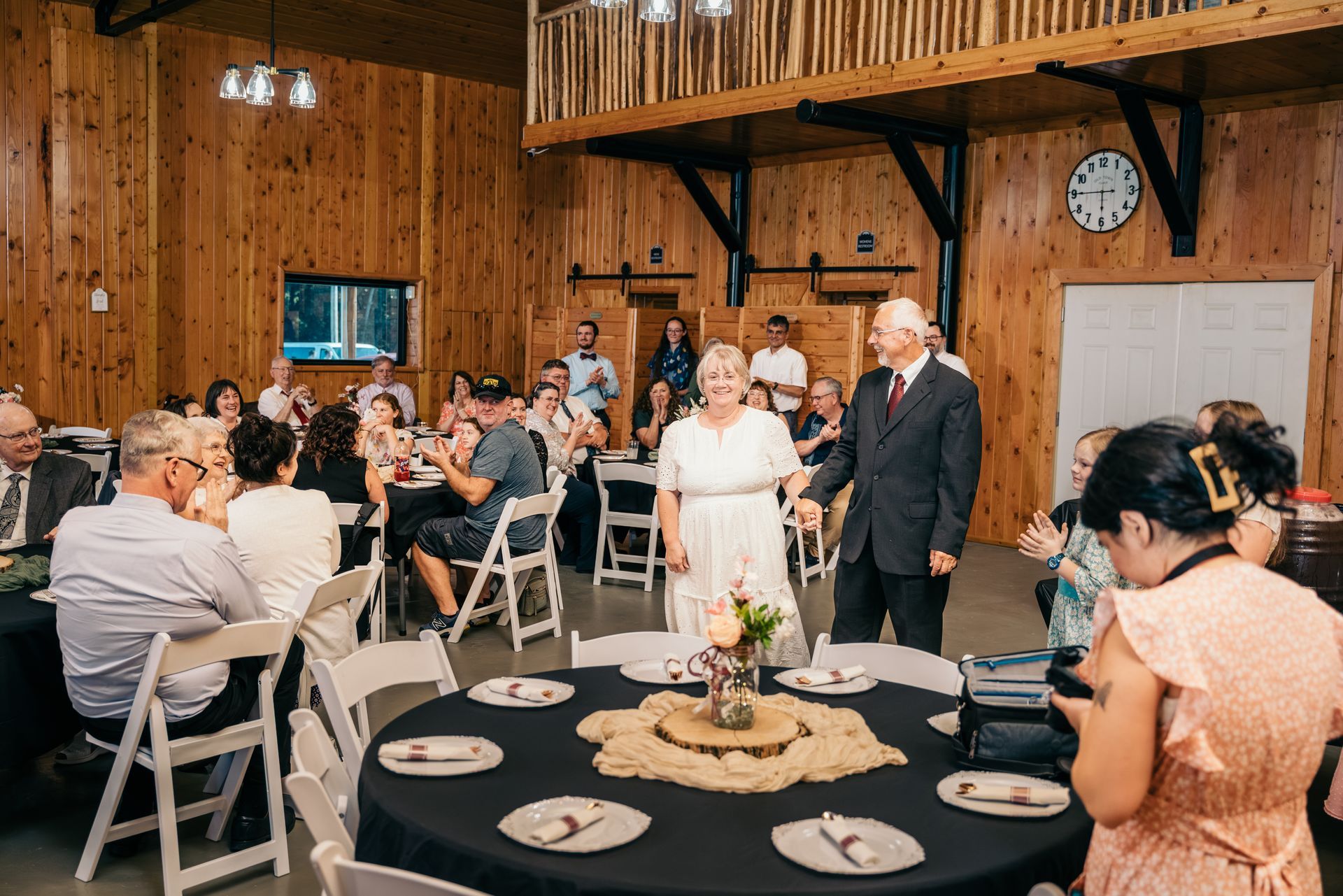
indoor wedding venue offers greater control over temperature, surfaces, sound, and timing. A hybrid plan can preserve key outdoor moments while protecting the meal, dancing, and equipment. Downey Carriage House describes
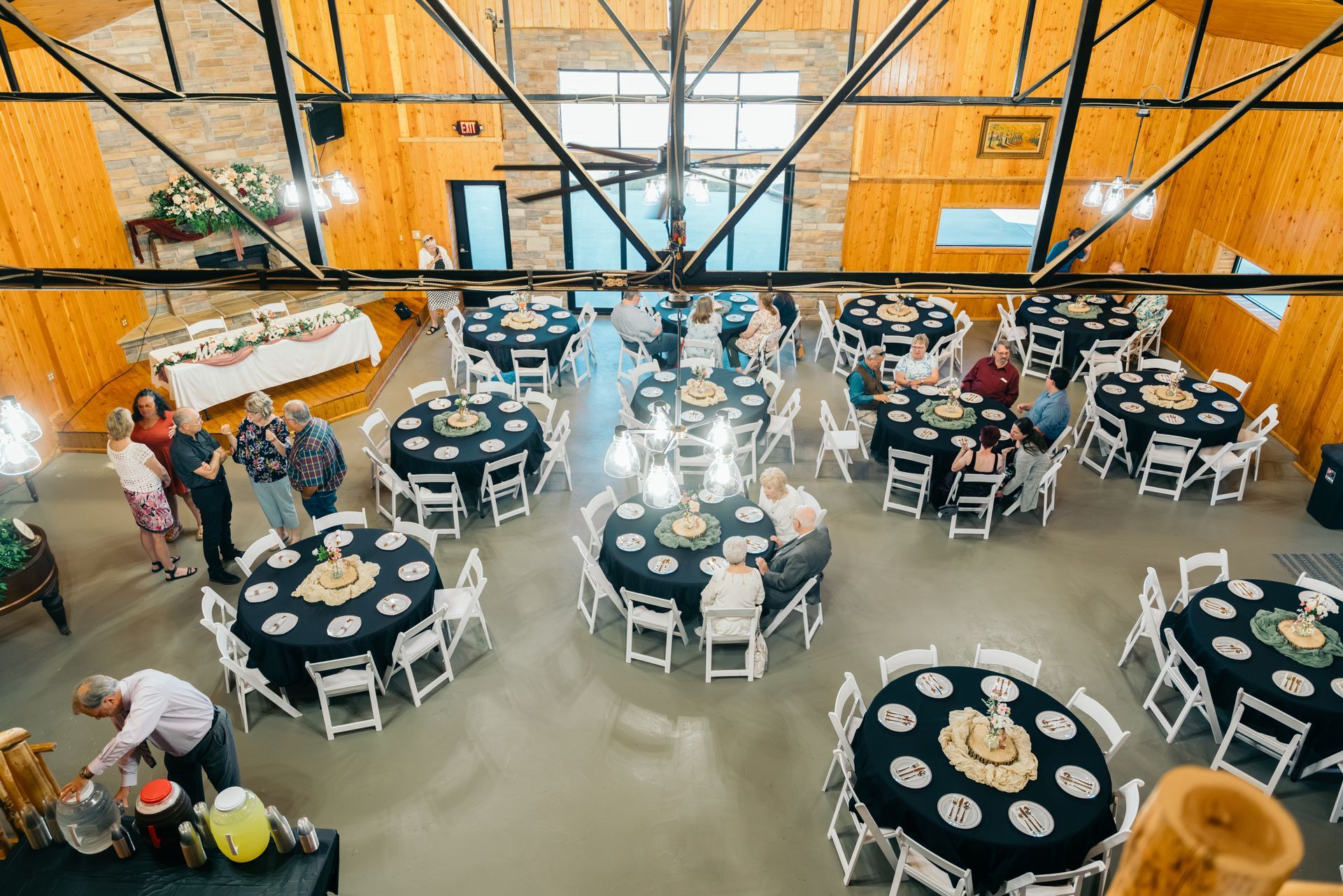
wedding spaces and amenities for up to 200 guests, so discuss guest count and layout together. Use this comparison as a starting point, then confirm spaces, capacity, and transitions during a tour.
| Planning factor | Outdoor setup | Indoor setup | Hybrid setup |
|---|---|---|---|
| Atmosphere | Open views and seasonal scenery | Designed décor and consistent lighting | Outdoor focal moments with indoor stability |
| Weather exposure | Highest | Lowest | Limited to selected parts of the day |
| Guest comfort | Depends on temperature, wind, and ground | Easier to control | Guests can move inside when needed |
| Sound | Wind and distance can affect clarity | More predictable acoustics | Requires testing in both areas |
| Timeline | May need weather adjustments | Usually easier to hold | Needs a clear transition plan |
| Best fit | Couples comfortable with flexibility | Couples prioritizing predictability | Couples who want scenery plus a strong backup |
When a Fall Outdoor Wedding Works Well
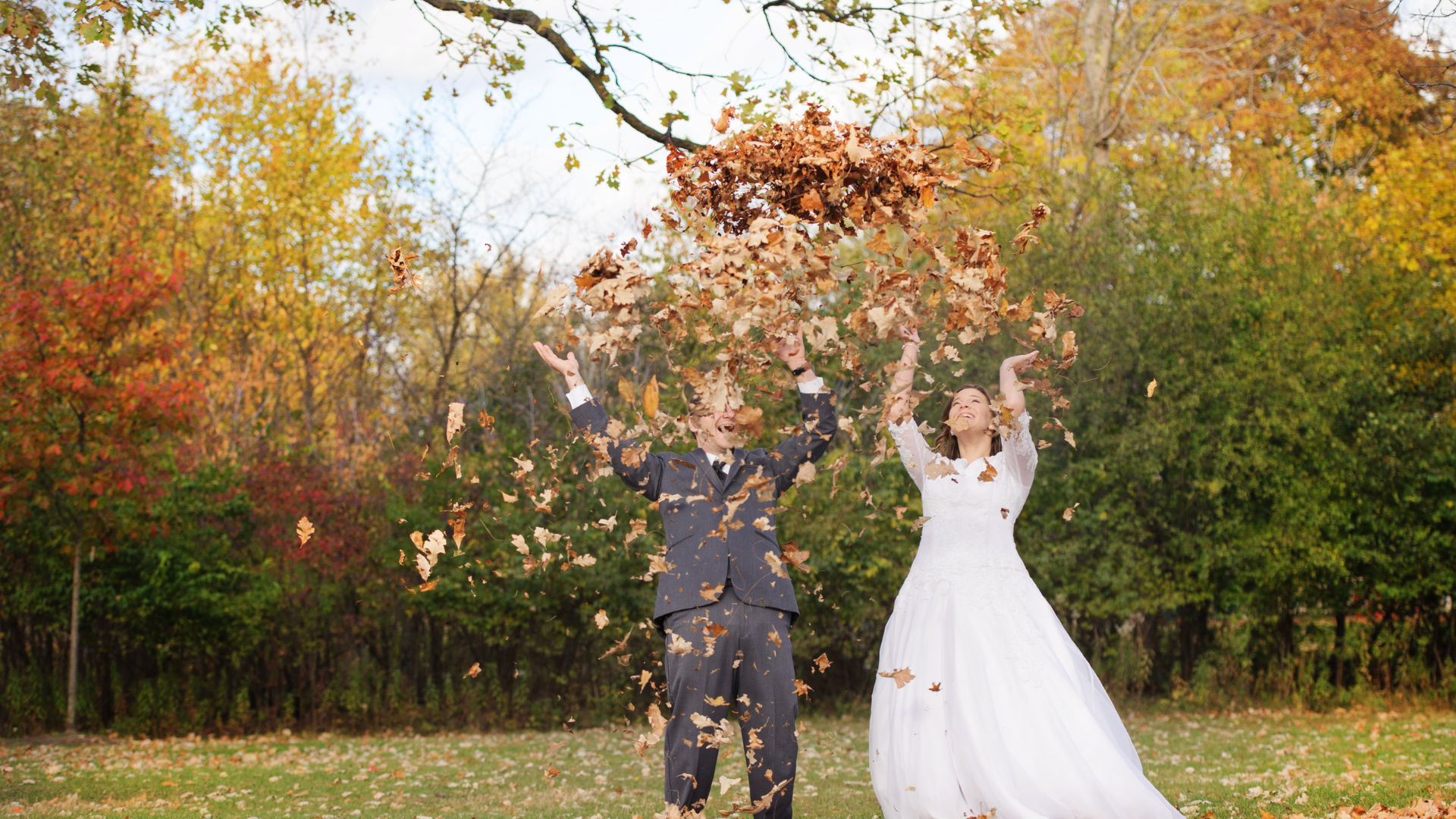
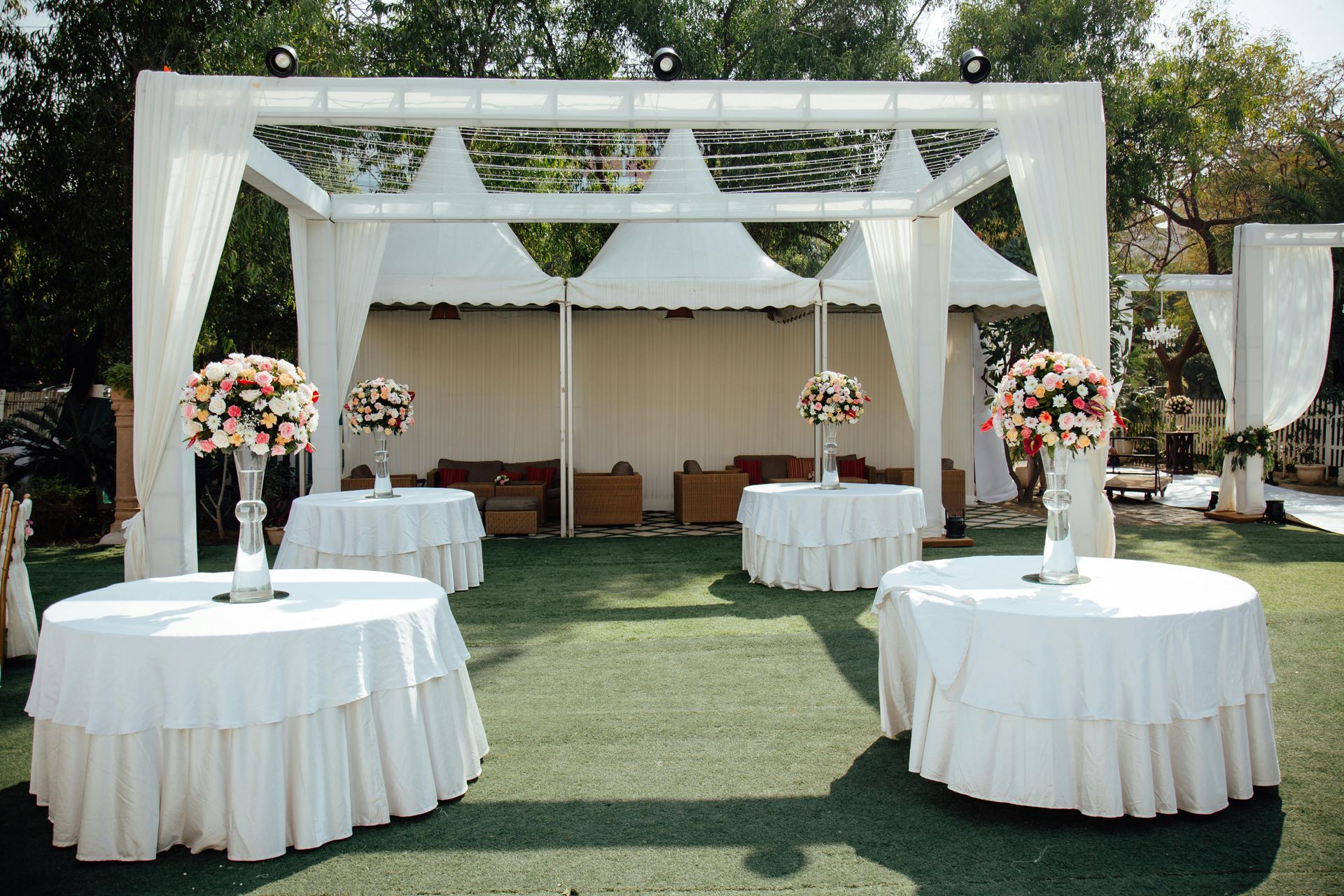
A fall outdoor wedding works best when the setting is central to the couple’s vision and the plan can absorb a change. The ceremony should suit guest comfort, and a nearby enclosed space should be ready to use. Covered space helps with light rain but is not necessarily safe during thunderstorms or strong winds. The National Weather Service’s event-ready guidance identifies lightning, flooding, high wind, thunderstorms, and tornadoes as outdoor-event hazards.
An outdoor setup is a stronger choice when all of the following are true:
- The scenery is a real priority. The landscape supports the ceremony design rather than serving as an interchangeable background.
- Guests have an easy route. The path from parking to seating is stable, well lit, and manageable for older guests, children, and people using mobility devices.
- The ceremony time matches the season. An earlier start can provide more daylight and may avoid the sharp temperature drop that follows sunset.
- The venue has a practical indoor alternative. The backup space is large enough, prepared, and available for the full guest count.
- Vendors can adapt. The photographer, musicians, florist, caterer, and rental team know both layouts and understand who authorizes a move.
- The couple accepts uncertainty. A weather decision will not feel like the day has been ruined if the ceremony shifts indoors.
Separate atmosphere from safety. Blankets, heaters, umbrellas, and patios improve comfort but do not make a storm acceptable. The National Weather Service advises organizers to use a lightning plan and move to a substantial enclosed building when lightning threatens. Nearby indoor space can therefore make an outdoor ceremony feel more relaxed.
When an Indoor Wedding Venue Makes More Sense
An indoor setup is often the better decision when predictability matters more than an uninterrupted outdoor view. Climate control helps guests remain comfortable through the ceremony, meal, speeches, and dancing, especially when daytime and evening temperatures differ. Solid flooring also reduces concerns about soft ground, damp hems, unstable chairs, and difficult routes after rain. Indoors, musicians and speakers can plan around more consistent acoustics, while florists and coordinators have fewer wind-related installation problems. Couples who dislike the idea of making a weather call on the morning of the wedding may enjoy the day more with an indoor-first plan.
Choosing indoors does not mean giving up seasonal character. Fall color can appear in flowers, tables, portraits, food, lighting, and brief outdoor moments. Downey Carriage House’s
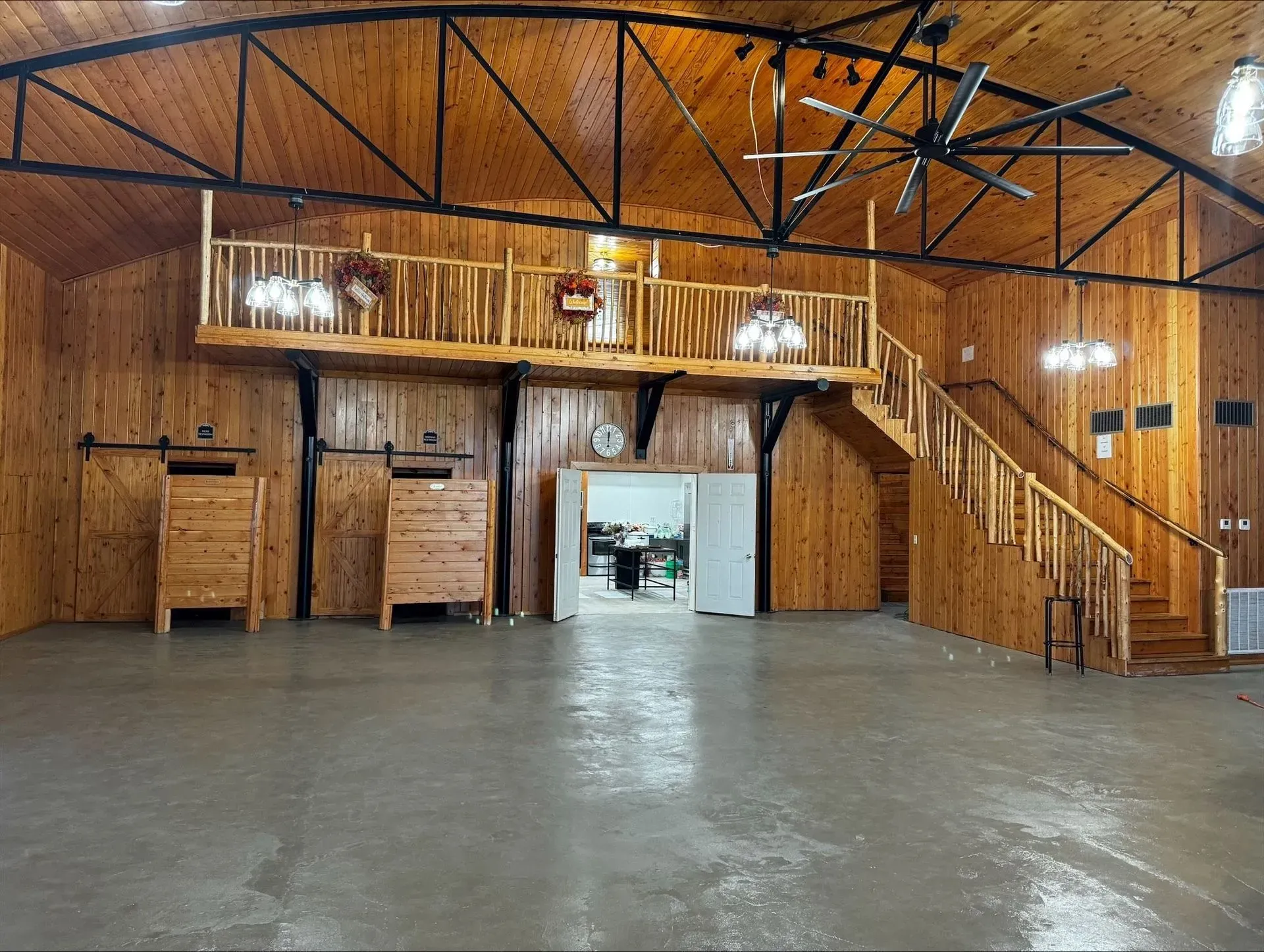
event venue includes climate-controlled space, indoor restrooms, covered patios, a kitchen, and roll-up doors. That combination supports an indoor celebration without disconnecting guests from the property. It also protects the timeline when rain arrives or temperatures drop.
Compare Guest Comfort, Accessibility, and Travel
Guests experience a wedding as arrivals, waiting periods, transitions, meals, and departures. A comfortable plan accounts for slower walkers, parents carrying children, formal shoes, and guests who cannot remain in cool wind. The U.S. Department of Justice’s guidance for accessible temporary events highlights parking, drop-off areas, routes, entrances, gathering spaces, and restrooms. These details help every guest, not only those requesting accommodation.
Review the guest journey from beginning to end:
- Arrival: Is parking easy to identify, and is there a close drop-off option?
- Surface: Will rain make grass, gravel, or an incline harder to cross?
- Waiting: Is shelter available before the ceremony starts?
- Seating: Are stable chairs and companion seating available in both layouts?
- Temperature: Can guests warm up or cool down without leaving the celebration?
- Restrooms: Are they nearby and reachable without crossing exposed ground?
- Departure: Are paths and parking areas adequately lit after sunset?
These questions matter when guests drive from Butler, Archie, or Creighton to Adrian. Early arrivals need a comfortable place to wait. If rain begins during travel, guests should not have to guess whether the ceremony moved. One concise update can prevent individual calls and late arrivals.
Protect the Timeline, Vendors, and Important Details
Weather affects more than the vows. It can change deliveries, table setup, floral installation, audio placement, food service, and portraits. Identify what can move quickly and what needs protection hours earlier. Ask vendors directly because a photographer’s light-rain plan may differ from a musician’s equipment policy.
Build the working plan around these details:
- Set two layouts early. Give every vendor the outdoor and indoor plans.
- Protect power and sound. Confirm where outlets, cords, speakers, microphones, and musicians will be placed in each setup.
- Choose weather-tolerant décor. Avoid unsecured items that cannot handle wind or moisture.
- Assign decision authority. Name one person who can approve the move so vendors do not receive conflicting instructions.
- Allow transition time. Account for seating, mobility needs, and family photos.
- Confirm food handling. Keep serving areas, cold storage, and hot food protected regardless of the ceremony location.
Downey Carriage House lists a spacious kitchen, ovens, refrigeration, an audio system, floral design, and live-music accommodations. Confirm which amenities are included and how vendors may use them. During a tour, walk both layouts in guest order. That rehearsal can reveal bottlenecks hidden on a floor plan.
Build a Wedding Weather Backup Plan Before the Forecast
Write the backup plan while everyone is calm, not when clouds appear. Define the trigger for moving indoors, the decision deadline, the responsible person, and the communication method. Wind, lightning, wet ground, temperature, and vendor setup time may matter more than rain probability. NWS guidance recommends reaching safety before weather becomes threatening, so do not require guests or staff to wait outside for certainty.
Include these items in the written plan:
- Primary layout: The preferred ceremony and reception locations.
- Backup layout: A complete seating and décor plan for the enclosed space.
- Weather triggers: Conditions that prompt a move, based on venue and vendor safety policies.
- Decision time: A firm deadline that leaves enough time for a safe, orderly reset.
- Decision maker: The coordinator, venue contact, or designated person with final authority.
- Vendor notice: One communication chain for catering, music, photography, floral, and rentals.
- Guest notice: A wedding website update, group message, signage, or greeter instructions.
- Portrait alternative: Indoor locations and a short list of outdoor shots to capture if a safe window opens.
Do not rely on a tent unless the venue and rental company confirm its limits. A tent may help during light rain but is not automatically safe in lightning, severe wind, or flooding. Describe the indoor option positively to guests. When both layouts receive equal care, the change feels intentional.
Use Indoor and Outdoor Spaces as One Wedding
Many couples do not need one setting for the whole celebration. A hybrid plan might place vows outside, cocktails on a covered patio, and dinner indoors. Downey Carriage House describes covered patios, roll-up-door access, and enclosed areas, so ask how those spaces work together for your guest count. The goal is to keep meaningful outdoor moments without unnecessary room flips. A good layout also gives guests a clear route when they move.
Treat each transition as part of the design. Music, signs, lighting, and a clear path show guests where to go next. Families coming from Adrian, Butler, Archie, and Creighton should decide whether older relatives and young children can remain indoors while staying included. On-site
lodging options may help some guests, but confirm availability early. A cohesive hybrid wedding gives every space a purpose.
| Wedding moment | Recommended primary space | Backup or comfort measure |
|---|---|---|
| Guest arrival | Sheltered check-in or indoor lobby area | Clear signs and a close drop-off point |
| Ceremony | Outdoor site when conditions are safe | Fully arranged indoor ceremony layout |
| Cocktail period | Covered patio or indoor-outdoor connection | Indoor seating for guests who need it |
| Dinner and speeches | Climate-controlled indoor space | Tested sound and clear sightlines |
| Portraits | Outdoor property during a safe window | Preselected indoor portrait locations |
| Dancing and departure | Indoor reception space | Lighted, stable route to parking |
Choose With a Practical Decision Framework
The best choice still works in less favorable conditions. Score each factor from 1 to 5, with 1 meaning low importance and 5 meaning essential. High scores for comfort, predictable timing, accessibility, and low stress favor an indoor-first plan. High scores for scenery and open-air vows may favor an outdoor or hybrid plan when the backup is acceptable.
- Outdoor meaning: How important is the landscape to the ceremony?
- Weather flexibility: Would moving indoors feel acceptable on the wedding day?
- Guest needs: Who needs stable surfaces, close restrooms, or temperature control?
- Timeline tolerance: Can the schedule absorb a delayed setup or location change?
- Vendor exposure: How much sound, décor, food, or equipment would be outdoors?
- Budget flexibility: Can the plan cover duplicate décor or weather-related labor?
Use one final test: Would you be happy with the backup if it became the only layout? If not, improve it or choose an indoor-first celebration with optional outdoor moments. Ask when a weather decision must be made and what transition support is available. Bring the scorecard to a venue tour before committing.
Estimated 2026 Market Context
Downey Carriage House does not publish a specific wedding rental price, so these figures are
not its rates or quotes. The
2026 Real Weddings Study summarized by The Knot reports a $12,900 national average reception-venue cost and a $34,200 average wedding. Averages are context, not a target, because guest count, timing, inclusions, and vendor rules change totals. Request a proposal separating venue access, food, rentals, labor, optional services, taxes, and deposits.
| Budget item | 2026 planning context | What to confirm |
|---|---|---|
| Reception venue | $12,900 national average | Spaces, hours, furniture, staffing, setup, and cleanup |
| Total wedding | $34,200 national average | Which categories are inside or outside your working budget |
| Weather backup | No universal standard | Whether the backup space is included and when it is reserved |
| Catering | Varies by guest count and menu | In-house options, outside catering rules, kitchen use, and service fees |
| Rentals and décor | Varies by inclusions | Tables, chairs, linens, patio items, duplicate décor, and delivery fees |
| Optional experiences | Venue-specific | Floral design, carriage rides, lodging, audio, and live-music needs |
Frequently Asked Questions
Is an outdoor fall wedding too risky in Missouri?
Not when the venue has a complete indoor alternative and the couple will use it. Risk rises when a plan depends on a tent, ignores wind or lightning, or delays the decision until guests arrive. Prepare the indoor layout to the same standard. That preserves the option without gambling the day on a forecast.
How early should we decide whether to move the ceremony indoors?
Set the deadline with the venue and vendors because setup time varies. Chairs, sound, catering, floral work, and photography may require a decision hours before arrival. Use a defined weather trigger instead of delaying repeatedly. Communicate the final decision through one channel.
What should a wedding weather backup plan include?
Identify the alternate space, weather triggers, deadline, decision maker, vendor notice, and guest communication method. Also address seating, décor, sound, portraits, accessible routes, and food service. Keep the checklist easy to use:
- Confirm both layouts.
- Set the decision time.
- Name the decision maker.
- Prepare one vendor message and one guest message.
Can we still take outdoor photos if the ceremony moves inside?
Often, yes, when conditions are safe and the photographer has identified short portrait windows. Moving the ceremony does not cancel every outdoor image. Build a priority shot list for brief dry periods. Select indoor backgrounds so the gallery does not depend on better weather.
Which option is better for older guests and children?
An indoor-first or hybrid plan usually provides better temperature control, stable surfaces, nearby restrooms, and seating. An outdoor ceremony can work when the route, duration, warmth, and indoor access are appropriate. Ask guests what would help. A close drop-off point and indoor waiting area can make a major difference.
What should we ask during a fall wedding venue tour?
See the preferred and backup spaces during the same tour. Confirm capacity, transition timing, weather rules, vendor access, sound, restrooms, climate control, parking, and accessible routes. Walk the guest route after imagining rain and darkness. Request written package details so inclusions are clear.
Plan a Fall Wedding That Still Feels Like Yours
The right indoor vs outdoor wedding plan protects what matters most. Some couples choose outdoor vows, an indoor reception, and a prepared ceremony backup. Others start indoors and use the property for portraits, cocktails, or a carriage ride when conditions cooperate. Downey Carriage House lets couples discuss indoor, covered, and open-air areas as one coordinated event.
If Missouri weather is shaping your fall wedding, tour both layouts with your guest count in mind. Ask how the enclosed venue, patios, kitchen, dressing areas, audio, and outdoor spaces support the timeline. The Downey Carriage House team can explain availability, package details, and advance decisions. Contact Downey Carriage House to plan a comfortable and meaningful celebration in either setting.
Weddings
Event Venue
Lodging
Frequently Asked Questions
Contact Downey Carriage House